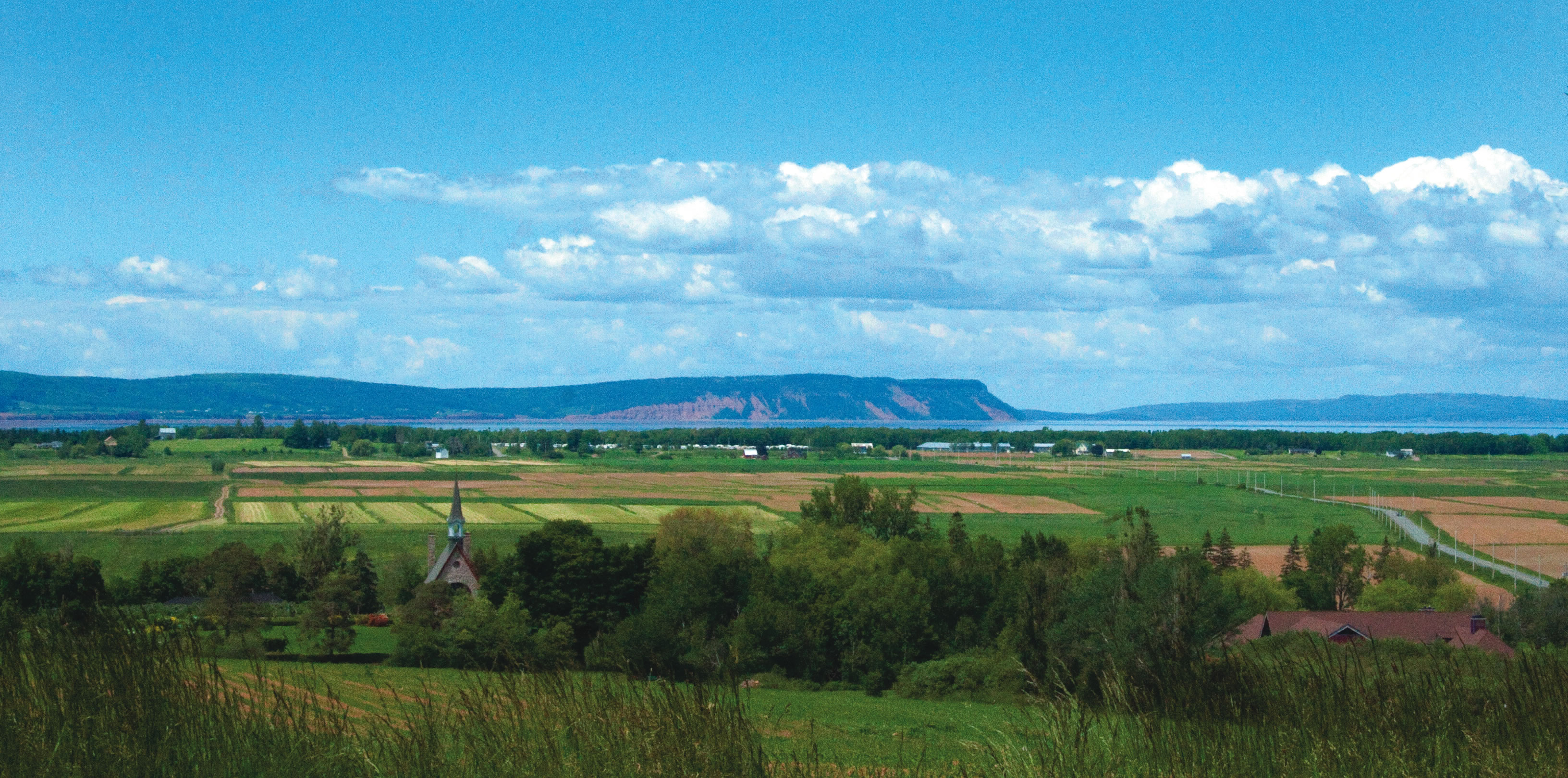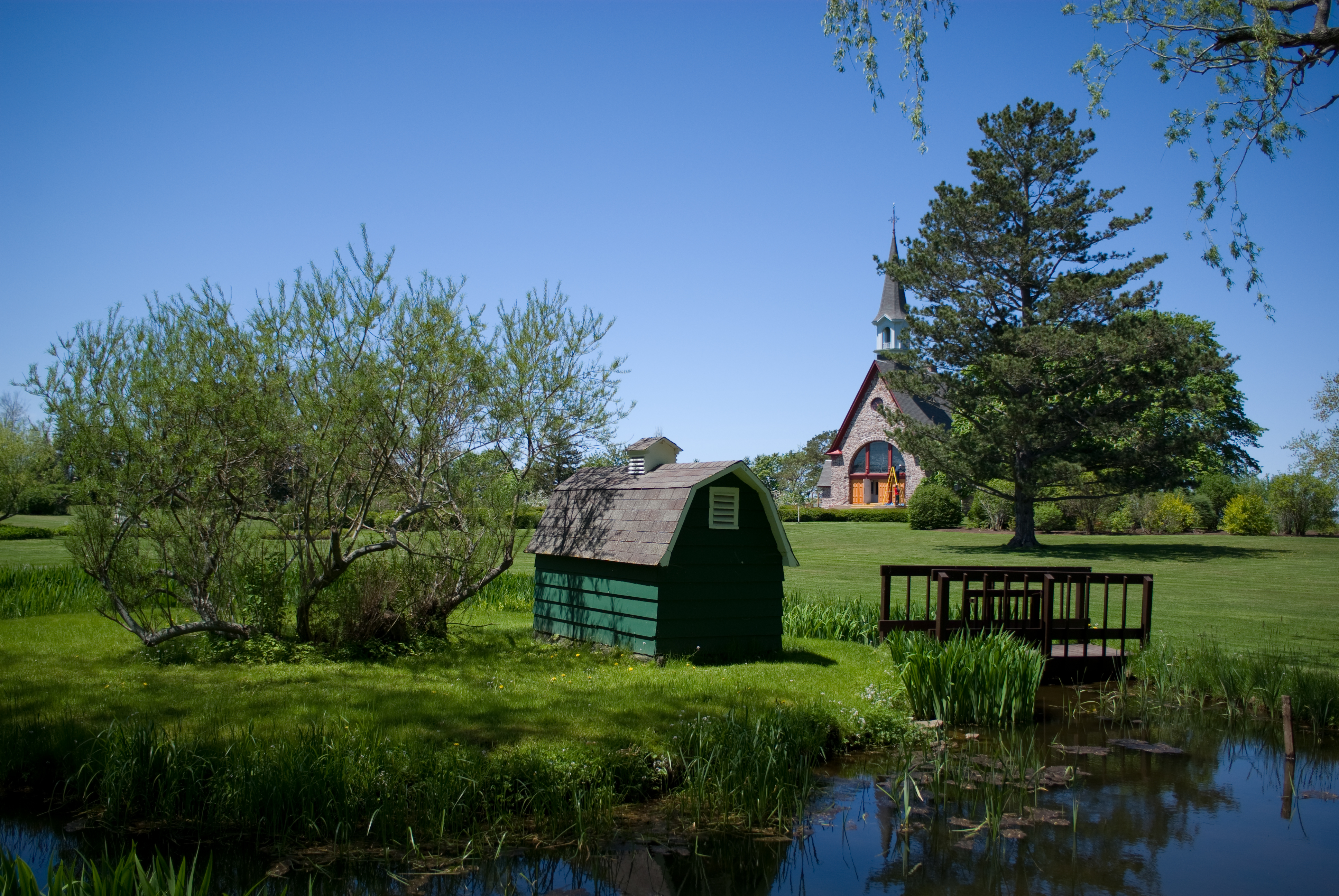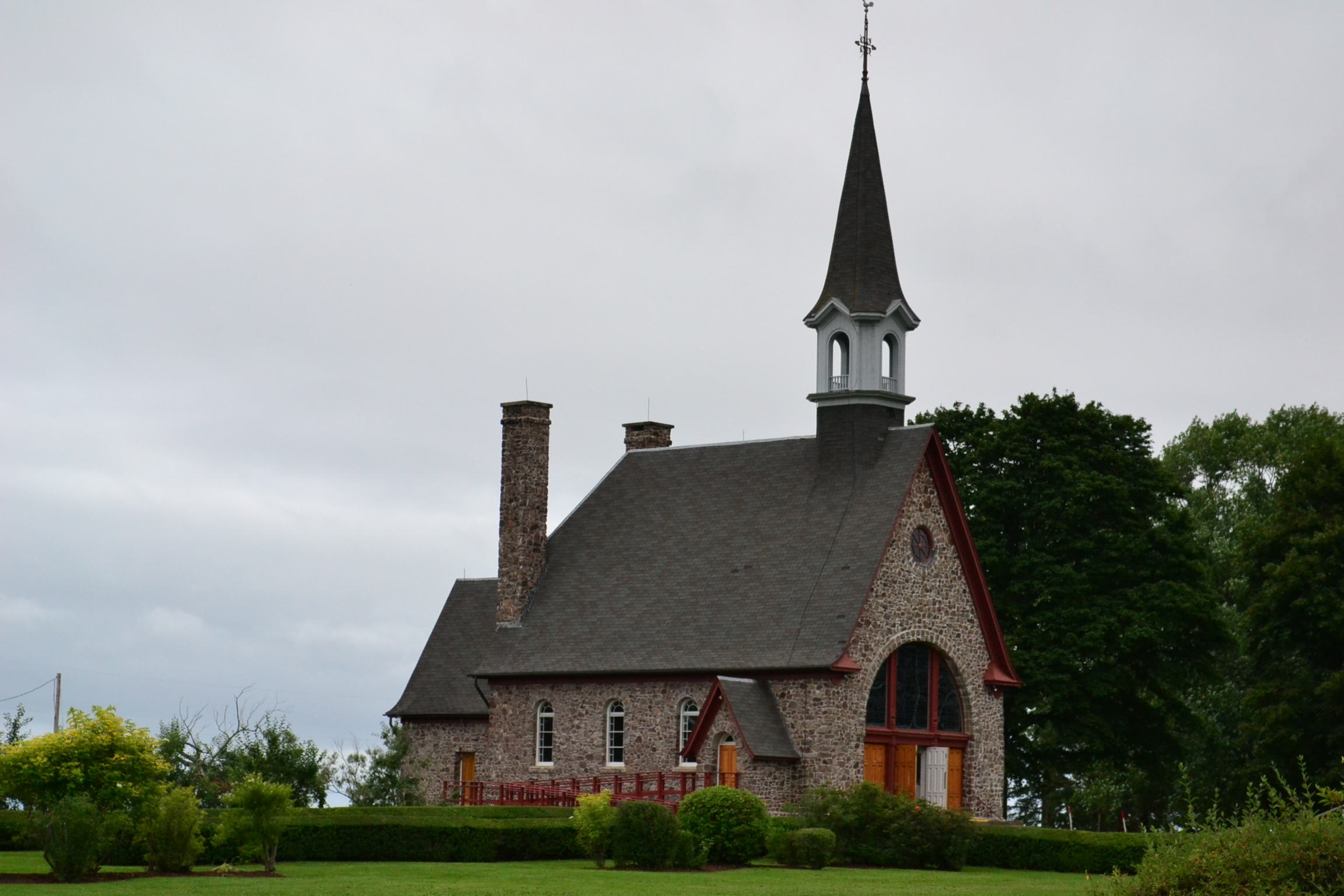
Grand-Pre was founded in about 1680 by Pierre Mellanson an Acadian settler who traveled east from Pierre Dugua, Sieur de Mons's original settlement at Port-Royal (see Annapolis Royal and the Habitation). Pierre, an Acadian of French Huguenot and English extraction, had arrived in Port Royal with Sir Thomas Temple in the 1650s when Acadia was under English control. The fertility of the soils and wealth of other resources in the area had been known to the French since the early part of the century when Samuel de Champlain, de Mont's cartographer, had surveyed the region.
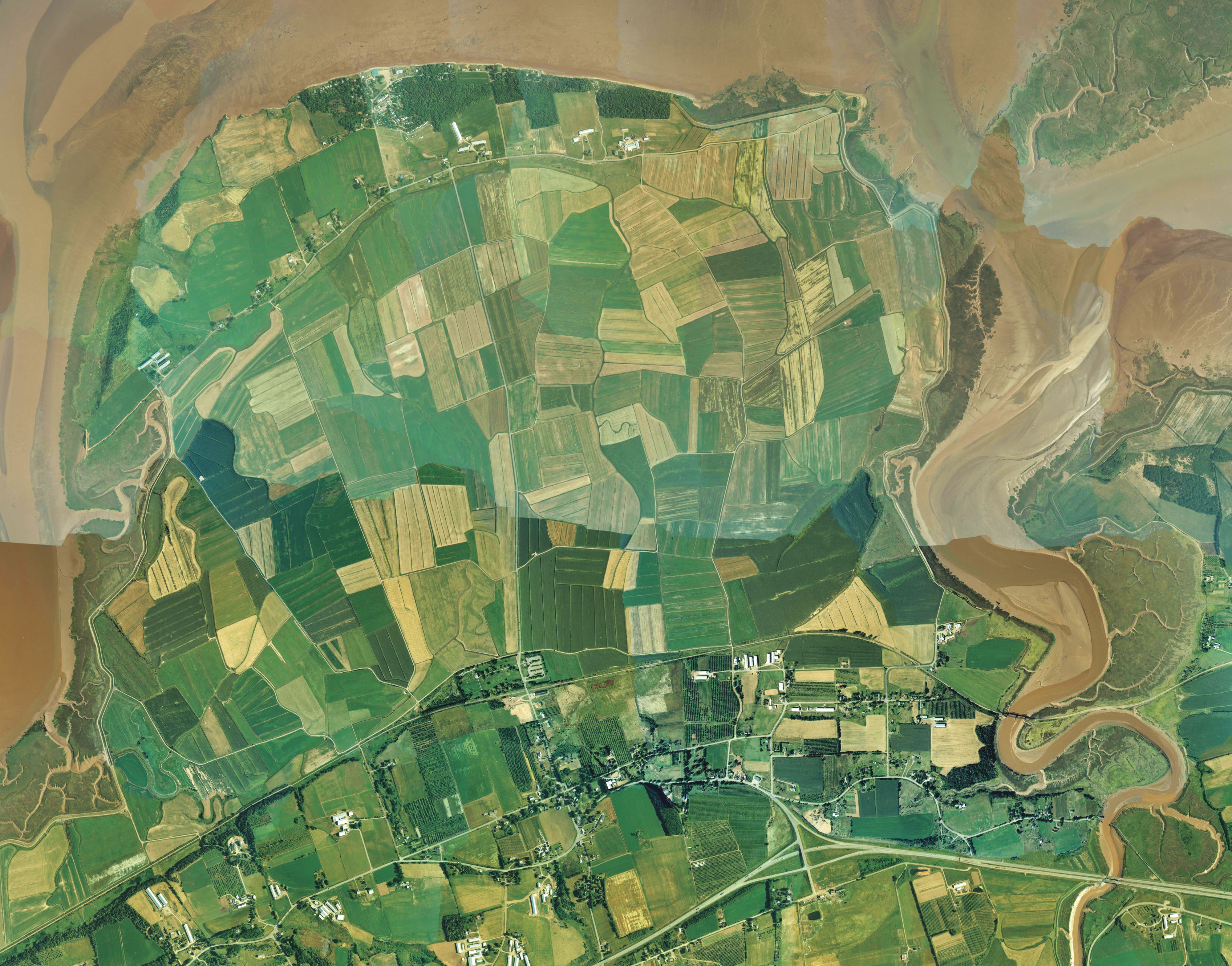
The settlers quickly employed their dyke building technology to the vast salt marshes; effectively reclaiming several thousand acres of productive farm land. The farms and the population grew quickly, making Grand Pre the principal settlement in Acadia. Settlements spread from Grand Pre around the Minas Basin, collectively becoming known as Les Mines or Minas after the copper deposits surveyed by De Monts at the entrance to the Basin. By the mid-1680s the population was sufficient to support a church and the parish of Saint-Charles de Mine was formed.
On June 30, 2012, Grand Pre was named a National Park of Canada and declared a UNESCO World Heritage Site. While little remains of the original settlements, the site is significant as the location where the Acadian people were expelled from their lands in 1755 during the Bay of Fundy Campaign. Many of those who were deported ended up in southern Louisiana, giving rise to New Orleans's French influence. The term "Cajun" evolved from the name Acadian.
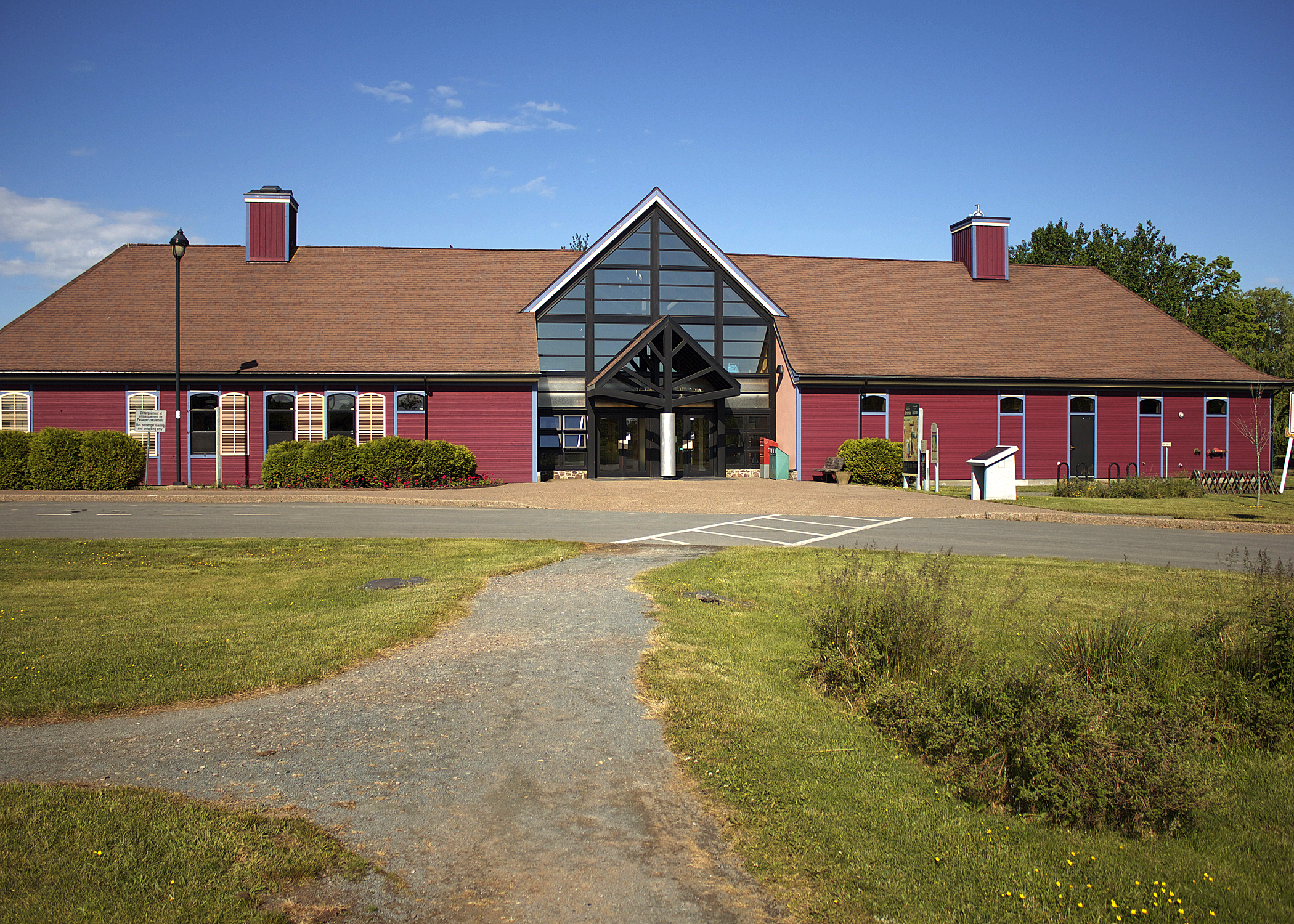
You'll stop by the site for an hour or two to view some of the artifacts and enjoy a highly-reviewed short film that explains its significance.
Original links
These are the links included in 2013. External websites may have changed.
- UNESCO — UN world heritage site entry and information
- Societe Promotion Grand-Pre — Official website of the site
- Parks Canada — Grand Pre National Historic Site of Canada